Chicken Road involves real-money bets, and it's possible to lose track of spending when one round leads straight into another.
Gambling can cause problems long before someone loses a large amount. If it's affecting your finances, relationships or daily life, taking a break and getting support can help prevent further harm.
When does gambling become difficult to control?
After losing a round, you might feel tempted to play again immediately to recover the money. A win can have a similar effect, encouraging you to continue longer than planned.
It can become difficult to stop when gambling starts taking up time or money you intended to use elsewhere.
Signs that gambling may be causing harm
Some warning signs are:
- Spending money needed for bills, food or other essentials.
- Borrowing money to gamble or cover gambling debts.
- Hiding how much you're gambling or losing from family or friends.
- Trying to stop or cut back but finding it difficult.
- Missing work, losing sleep or neglecting responsibilities.
- Feeling anxious, stressed or upset about gambling.
Setting limits on money and time
Before playing, decide how much money and time you're willing to spend. Keep gambling funds separate from money needed for everyday expenses.
Some platforms offer deposit limits, loss limits or temporary account breaks. Check which options are available, when restrictions start and whether you can change them later.
If you regularly go beyond your limits, consider a longer break or self-exclusion rather than simply setting another limit.
What if you're chasing losses?
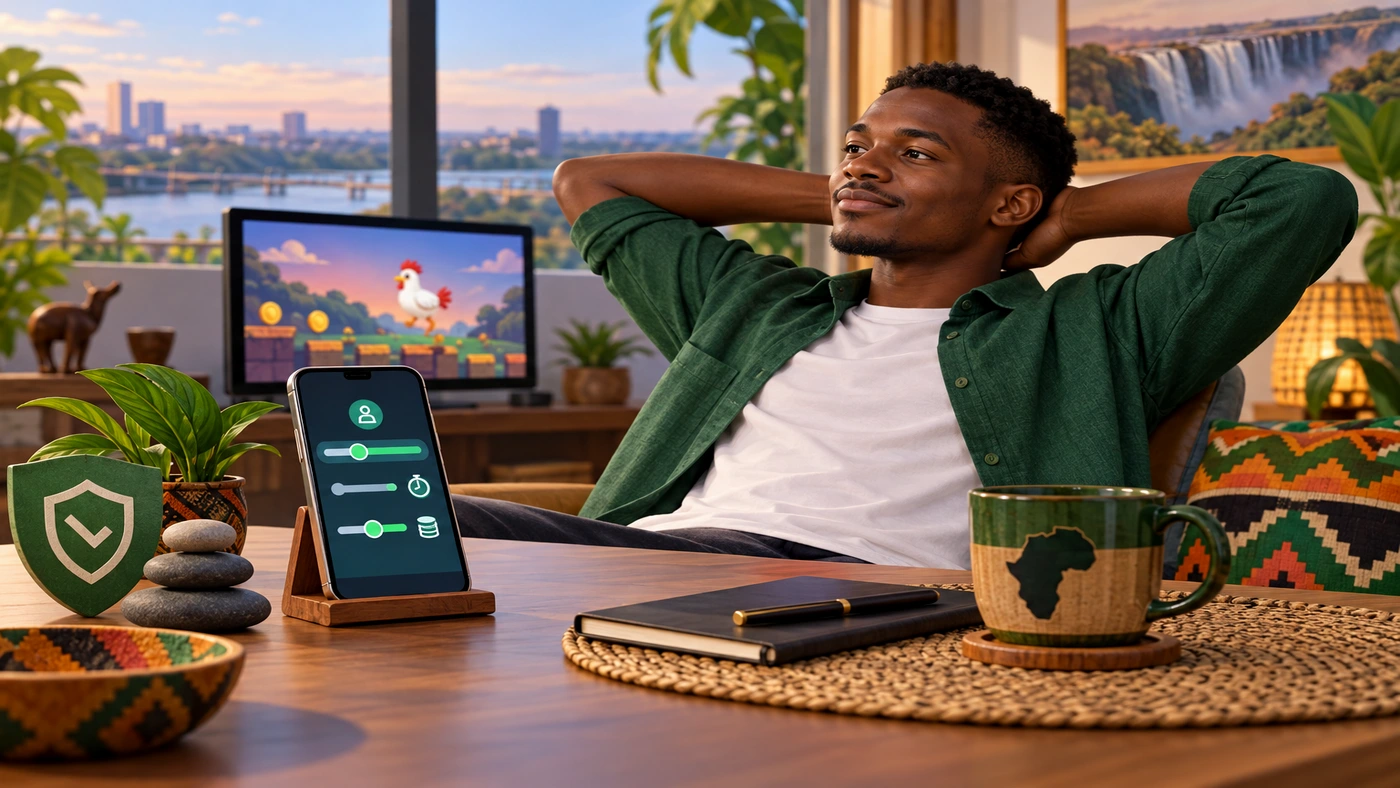
Chasing losses means continuing to gamble because you want to recover money you've already lost.
This might involve increasing your stake or starting another round straight after a loss. If you recognise this behaviour, stop playing rather than putting more money at risk.
Taking a break or requesting self-exclusion
A break means stepping away from gambling for a period of time. Self-exclusion goes further by restricting access to an operator's gambling services.
GSB Zambia offers temporary and permanent self-exclusion. Under its published policy, permanent self-exclusion is irreversible, meaning the customer cannot regain access to that account.
Contact the operator you use to find out how to request self-exclusion, when it takes effect and how long it lasts.
Excluding yourself from one operator doesn't automatically block other gambling websites or apps.
What can you do if gambling is affecting your life?
Talking to someone you trust can be a useful first step. Explain what's happening and let them know what kind of support you need.
You can also turn off gambling promotions, use website-blocking tools or ask your bank whether it offers restrictions on gambling payments.
If gambling has led to debt, avoid borrowing more money to recover losses. Getting financial advice or counselling can help you work through the situation.
Where can you get gambling support in Zambia?
There are organisations in Zambia that provide support for people affected by gambling problems.
GamAid Zambia
GamAid Zambia works with people and families affected by gambling harm. Its services include counselling, recovery support and help with gambling-related financial problems.
- Phone: +260 767 923 704
- Additional phone: +260 973 881 876
- Email: [email protected]
Serenity Harm Reduction Programme Zambia (SHARPZ)
SHARPZ is an independent counselling organisation. betPawa Zambia publishes the following contact numbers for people seeking gambling-related support:
- Phone: +260 960 406 973
- Additional phone: +260 970 428 999
- Published hours: Monday to Friday, 8:00 am–5:00 pm
You can also speak with a local healthcare provider or mental health professional about counselling and other support options.
Contact details and opening hours may change, so check the latest information before relying on a particular service.
Keeping gambling away from children
Don't share gambling accounts or login details with children.
On shared phones, tablets or computers, sign out of gambling websites and keep passwords private. Children should not have access to real-money gambling accounts.